



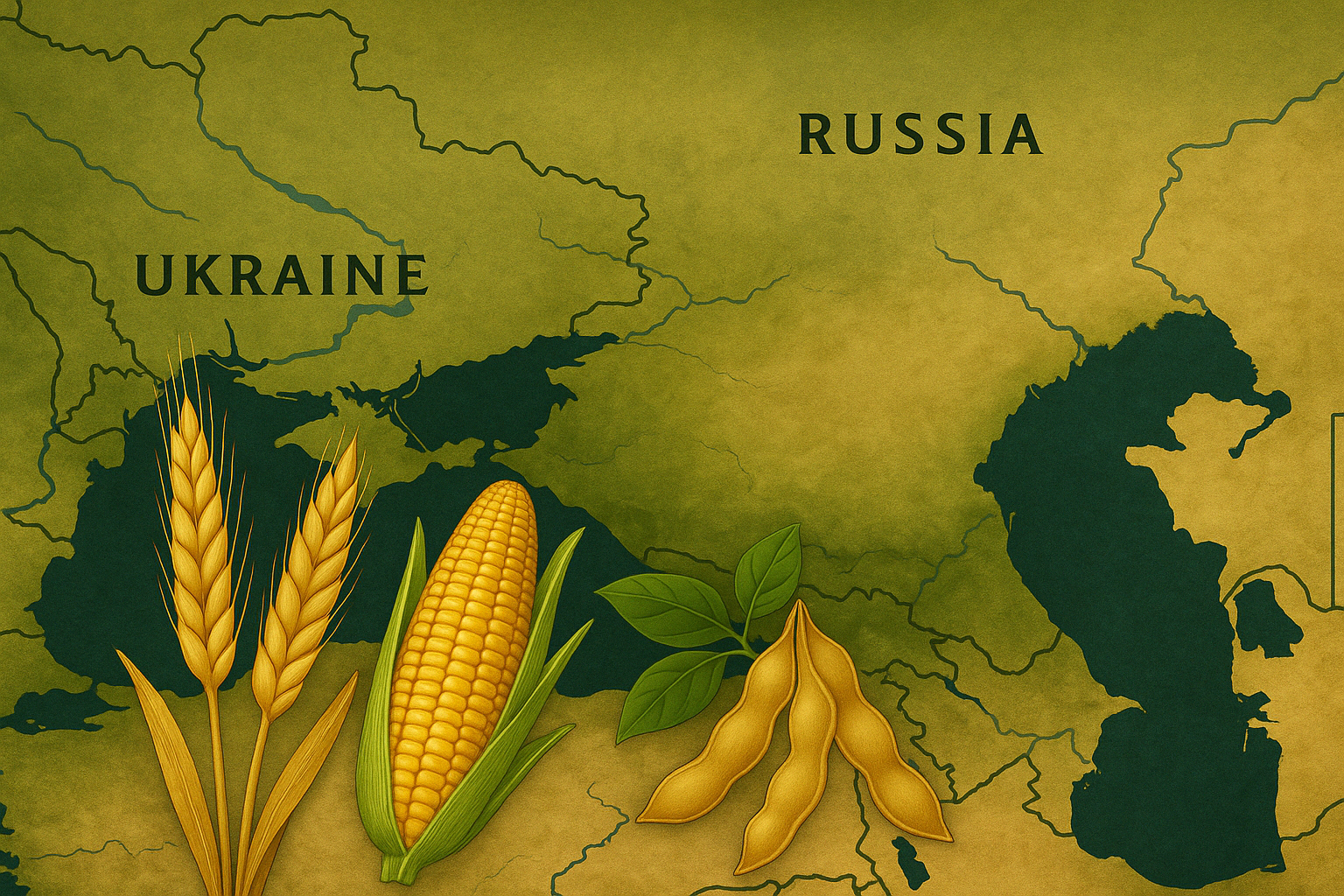
Turkey’s record harvest is reshaping regional trade flows, while larger wheat and rapeseed areas in Bulgaria point to stronger production potential for the next season.
The Black Sea grain market is entering a new phase in which Turkey is becoming a more active seller while Bulgaria expands its production base. The most important regional development of the week is the decision by Turkey’s state grain agency TMO to offer a total of 500,000 tonnes of wheat on international markets following a record harvest and a significant build-up of domestic stocks.
At the same time, Bulgaria is reporting substantially larger areas under its main autumn crops. Wheat plantings have reached 767,199 hectares, 16.6% above a year earlier, while rapeseed area has increased by 26.3% to 173,485 hectares.
Turkey Shifts From Major Importer Toward a More Active Seller
TMO is preparing two international tenders. On November 17 it will offer 400,000 tonnes of milling wheat, followed by another 100,000 tonnes of durum wheat on November 18.
The move reflects unusually strong domestic supply. USDA FAS estimates Turkey’s 2026 wheat production at a record 23 million tonnes. Following the harvest, stocks held in TMO warehouses exceeded 10 million tonnes, encouraging the authorities to redirect part of these inventories toward international markets.
At the same time, Turkey’s wheat imports in 2026/27 could decline by 56% to around 2.8 million tonnes. This represents a significant change for the Black Sea region because Turkey has traditionally been an important buyer and processor of imported wheat.
The combination of lower imports and larger international sales could reshape regional trade flows. Producers and traders in Bulgaria, Romania and the wider Black Sea basin may increasingly have to compete not only with each other but also with additional Turkish supply.
Bulgaria Expands Wheat and Oilseed Area
Bulgaria’s autumn planting campaign is running considerably ahead of last year. Wheat area has reached 767,199 hectares compared with 658,208 hectares a year earlier, an increase of almost 109,000 hectares.
Barley area has risen by 14.4% to 133,368 hectares, while rapeseed records the strongest percentage increase, rising 26.3% to 173,485 hectares. Triticale area is also 20.8% higher, while rye has fallen by 28.4% to 2,747 hectares.
The larger autumn acreage increases Bulgaria’s production potential for next year. Actual output, however, will depend on winter and spring conditions and on final yields.
For the wider Black Sea market, this means Bulgaria could have larger wheat and rapeseed volumes available for domestic use and export if the season develops normally.
Competition Across the Black Sea Could Intensify
Turkey’s larger available supply and Bulgaria’s expanded crop area point toward a more competitive regional environment.
Turkey already has record wheat production of 23 million tonnes and significant public stocks. Bulgaria, meanwhile, enters the winter period with almost 109,000 additional hectares of wheat. If Bulgarian crops develop normally, marketable volumes next year could be larger.
This makes market access and price competitiveness increasingly important. The decline in Turkish imports is particularly significant because it removes part of the region’s traditional demand, while Turkey’s international tenders simultaneously add new supply.
Fertiliser Costs Remain Critical Across the Region
Alongside supply and trade, production costs remain a central issue. The European Commission has launched an EU Fertiliser Value Chain Partnership aimed at improving affordability, increasing predictability for producers and farmers, and developing a more sustainable European fertiliser industry.
Geopolitical shocks and supply disruptions in recent years have exposed the vulnerability of the European market and caused sharp increases in farmers’ production costs. The EU has mobilised €540 million in short-term financial support for producers affected by higher fertiliser and energy costs.
For producers in Bulgaria and Romania, developments in the fertiliser market will therefore remain critical to production costs and their competitiveness against other Black Sea exporters.
The Region Enters the Next Season With More Potential and More Competition
The central message from the week is a change in the balance between production, demand and regional trade.
Turkey has a record harvest, is reducing its dependence on imports and is beginning to offer significant volumes on international markets. Bulgaria, meanwhile, is expanding wheat, barley and rapeseed acreage and potentially preparing a larger supply base for the next season.
This creates the conditions for stronger competition across the Black Sea basin. If yields are favourable, the region may have more grain available, but the ability to place that grain at competitive prices will ultimately determine the relative position of each producing country.