



Winter wheat planting in Russia and Ukraine is falling sharply under pressure from low prices, war and expensive logistics, while Romania mobilizes nearly €30 million in support for corn and sunflower producers.
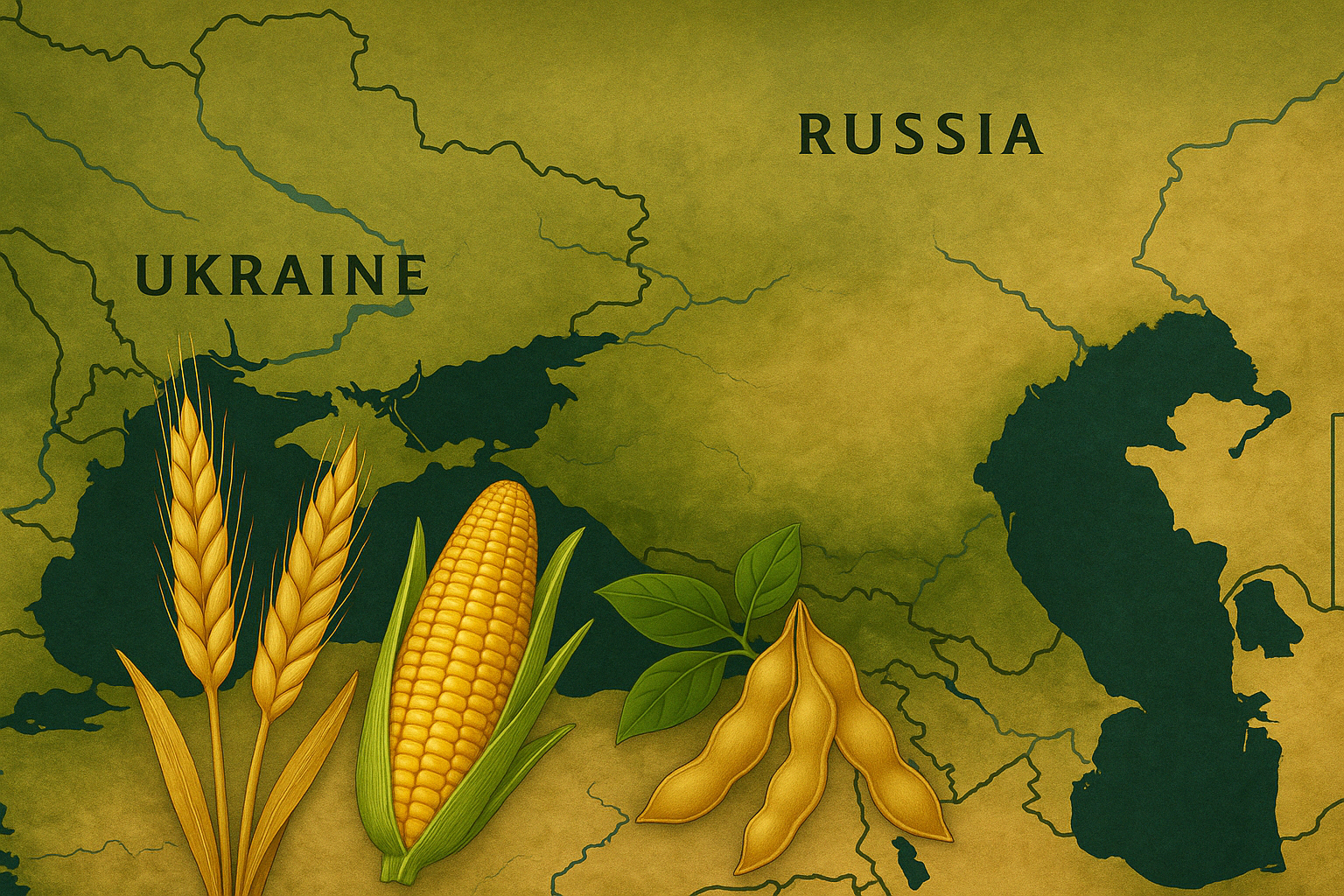
The Black Sea agricultural region is entering the new production cycle with growing divergence between its major producers. In Russia and Ukraine, financial pressure, disrupted exports and the impact of the war are already influencing decisions on how much winter wheat to plant. Romania, meanwhile, is directing emergency financial support toward corn and sunflower producers affected by the 2025 drought.
Russia Records Its Slowest Planting Pace Since 2013
Russian farmers have planted 14% less winter wheat than at the same point last year. The planting campaign is progressing at its slowest pace since 2013, when producers were heavily constrained by an exceptionally wet autumn.
The delay is important for the regional balance because winter wheat plays a dominant role in Russian production. If the slower pace ultimately translates into a permanent reduction in planted area, the potential of the next crop could already be constrained before winter begins.
Winter Wheat Area Falls by Around 1 Million Hectares
Russia’s winter wheat area is estimated at 6.1 million hectares, compared with 7.1 million hectares at the same point a year earlier. Winter wheat normally accounts for around 90% of all winter grain crops in the country.
This makes the current lag more than a temporary agronomic issue. If farmers do not make up the shortfall during the remainder of the planting campaign, the smaller acreage base could become an important factor in expectations for the 2027 crop.
Russian Wheat Prices Fall Below Production Costs
The main driver behind weaker planting activity is economic. Since the summer, domestic Russian wheat prices have fallen by 40% and are now estimated to be around 20%–30% below production costs.
Black Sea exports remain heavily restricted by military activity, reducing farmers’ ability to market grain internationally. As a result, weak domestic prices are feeding directly into decisions for the new planting season.
Financial Pressure Is Reaching Farm Inputs
The problem in Russia is not limited to acreage. Some farmers are also expected to reduce fertilizer use because of the deteriorating economic environment and weak profitability.
This creates a second potential risk for future production. Even if some of the planting delay is recovered, lower input use could reduce yield potential and leave the crop more dependent on weather conditions during the spring and summer.
Ukraine Is Falling Even Further Behind
A similar trend is developing in Ukraine, where winter wheat planting is running more than 50% behind previous years. Ukraine’s agriculture ministry already expects the area for the 2027 season to fall by 10%–15%.
When acreage declines simultaneously in Russia and Ukraine, the risk becomes regional rather than local. Both countries are key suppliers in Black Sea wheat flows, and smaller planted areas could alter expectations for regional availability next season.
Black Sea Wheat Enters a New Cycle With Greater Uncertainty
The combination of lower prices, restricted export opportunities, reduced acreage and potentially lower input use is creating a more uncertain production backdrop for wheat across the region.
In the short term, available supplies and logistics remain the key drivers of physical trade. Over the longer term, however, the planting decisions farmers make this autumn could prove decisive for the volume of supply available in 2027.
Smaller Acreage Could Reduce Future Export Pressure
If the current planting shortfall remains in place through the end of the campaign, next season could begin with lower production potential in two of the region’s most important exporting countries.
This would matter across the entire Black Sea market because large Russian and Ukrainian crops traditionally create strong competitive pressure on other regional producers. A smaller crop could change that dynamic, although the final outcome will still depend on planting progress and subsequent growing conditions.
Romania Approves Emergency Support for Corn and Sunflower
Elsewhere in the Black Sea region, Romania has approved an emergency financial support scheme for farmers whose corn and sunflower areas were severely affected by soil drought in 2025.
The objective is to compensate part of the losses and provide farms with enough financial capacity to continue production. The measure specifically targets two crops with major importance for Romanian and regional output.
Budget Reaches €29.6 Million
The total funding available under the scheme amounts to 155,361,520 lei, or approximately €29.6 million. Financing is split equally between two sources: 50% in European grant support through the European Agricultural Guarantee Fund and 50% from Romania’s national budget.
The structure allows support to be directed toward farms that suffered the most significant weather-related losses.
Up to €63 per Hectare for Total Crop Loss
For areas assessed as 100% damaged, support can reach 333 lei/ha, equivalent to approximately €63/ha. Payments decline progressively for lower levels of damage.
Eligible farmland must have documented losses ranging from 30% to 100%, supported by an official damage assessment report.
The Scheme Covers All of Romania
The support programme applies across the whole country, but only to producers of corn and/or sunflower. Payments will be made through Romania’s Agency for Payments and Intervention in Agriculture, APIA.
The final deadline for disbursement is 31 December 2026, meaning the support should reach farmers before the end of the year.
Financial Resilience Becomes a Key Regional Factor
This week’s developments show that farmers’ financial position is becoming increasingly important for future supply across the Black Sea region. In Russia, weak prices and limited marketing opportunities are leading to smaller planted areas and lower input use. In Ukraine, the war and broader economic environment are also contributing to expectations for a meaningful reduction in wheat acreage.
Romania, by contrast, is using public financial support to soften the impact of drought and preserve production capacity in corn and sunflower.
Next Season Will Depend on More Than Weather
The key takeaway for the Black Sea region is that the outlook for the next crop is no longer being shaped by weather alone. Prices, logistics, export access, farm finances and national support mechanisms are playing an increasingly important role in determining acreage and input decisions.
Russia and Ukraine are starting the season with clear signs of contraction in wheat, while Romania is attempting to stabilize corn and sunflower producers through direct financial support. These different responses to pressure across the agricultural sector will be important for the Black Sea supply balance during the next production cycle.